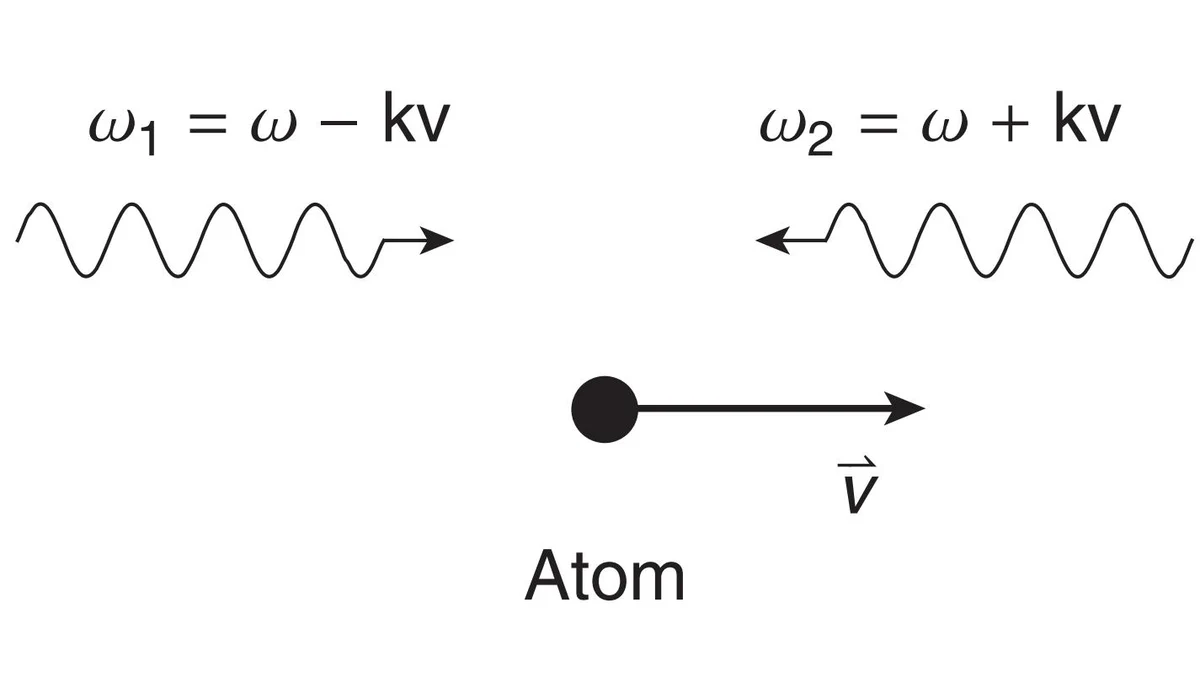
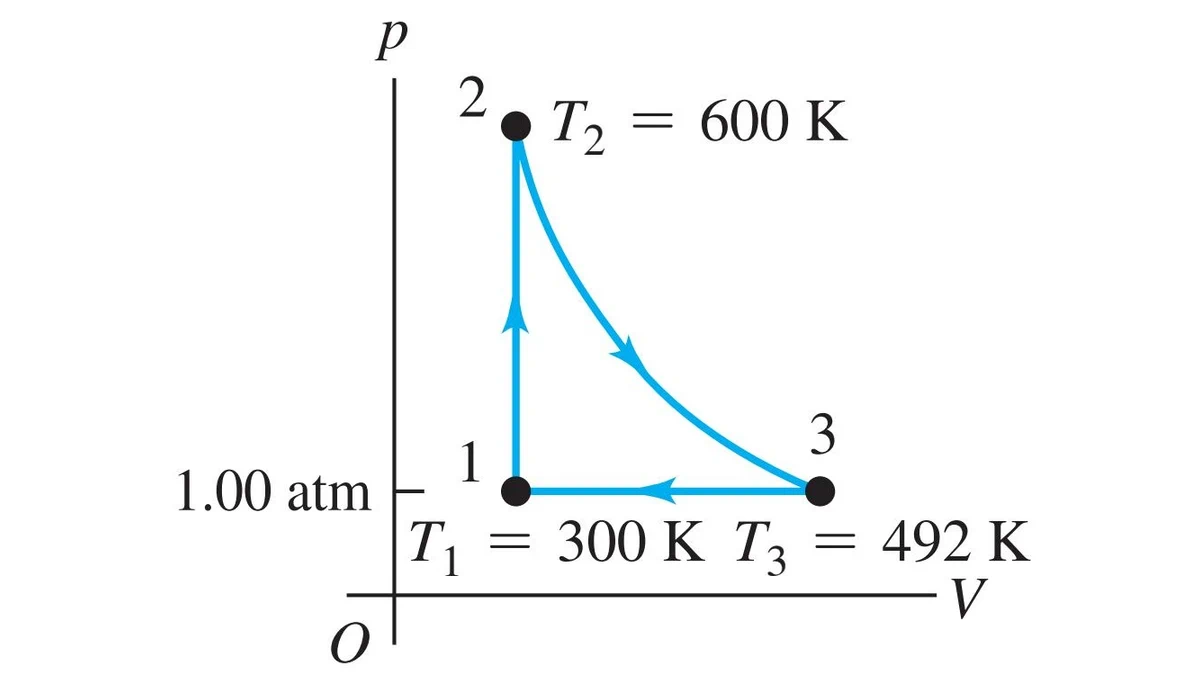
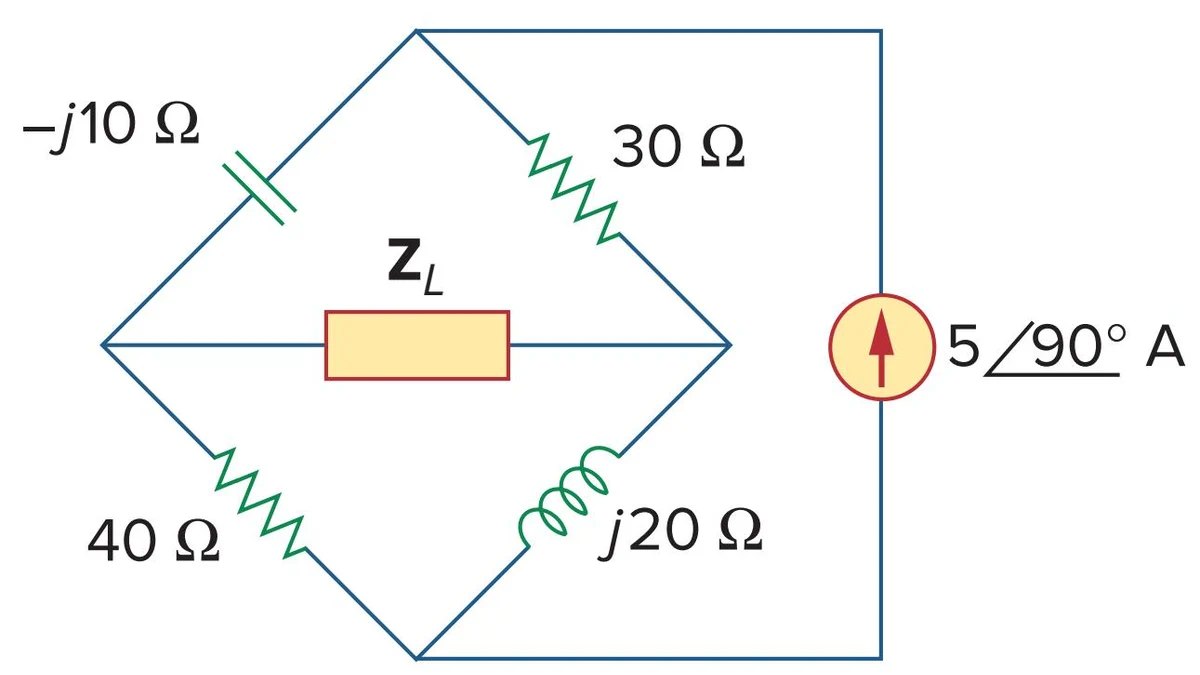
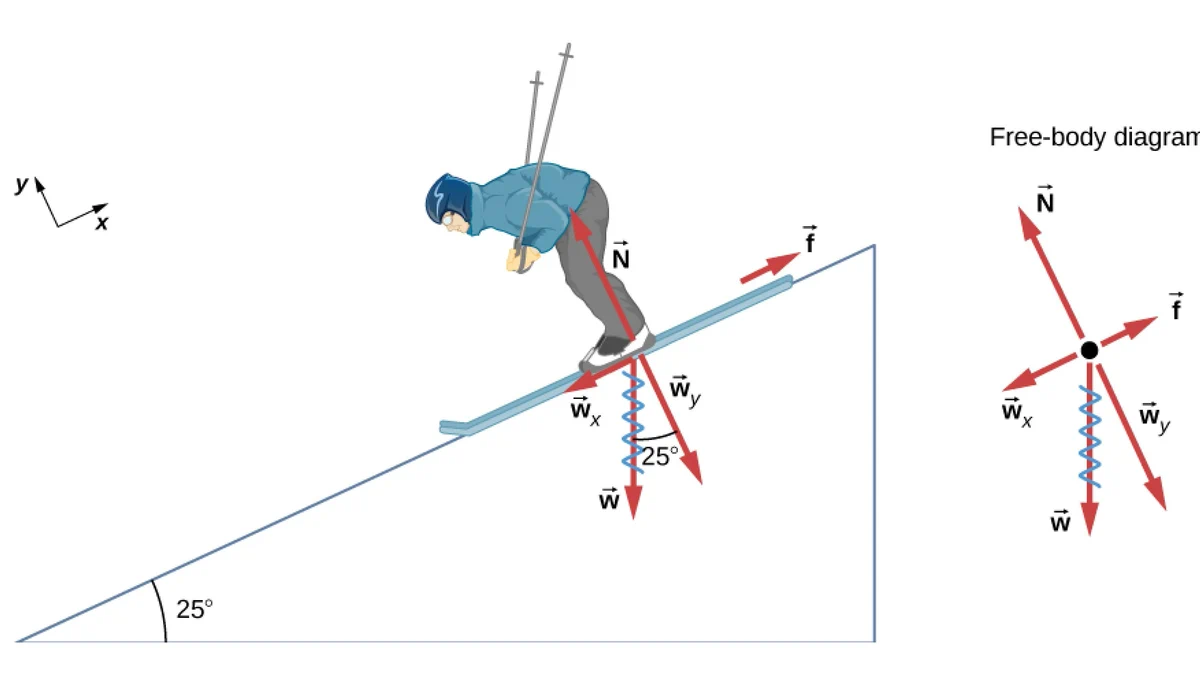
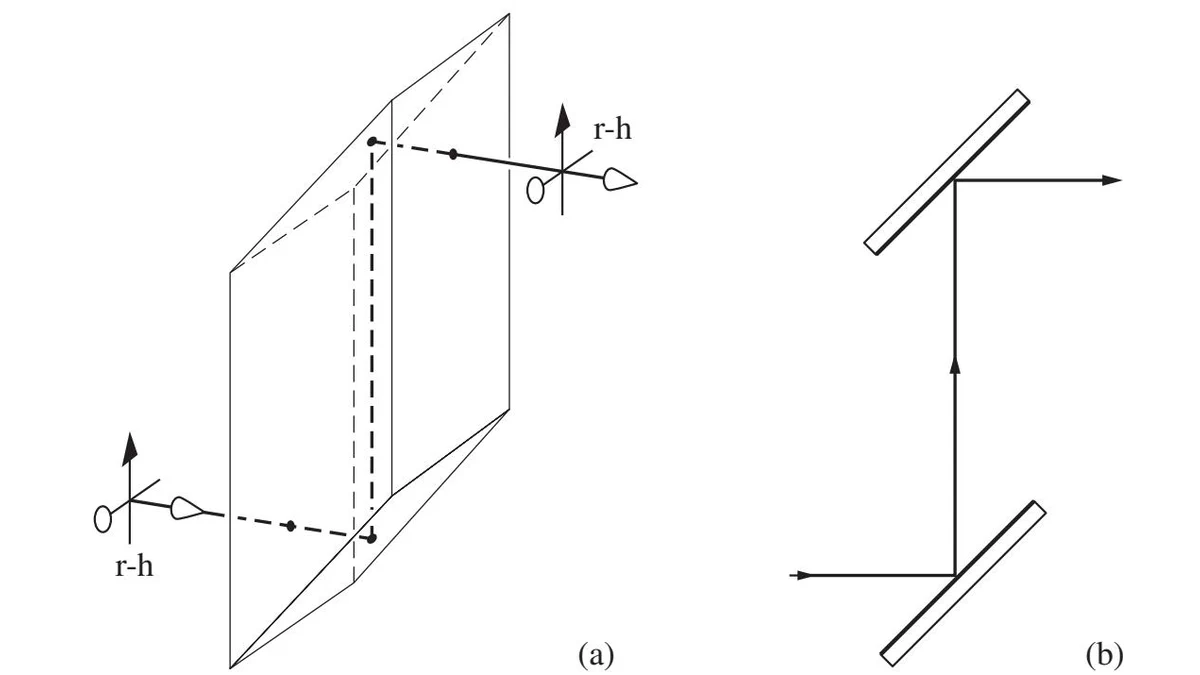
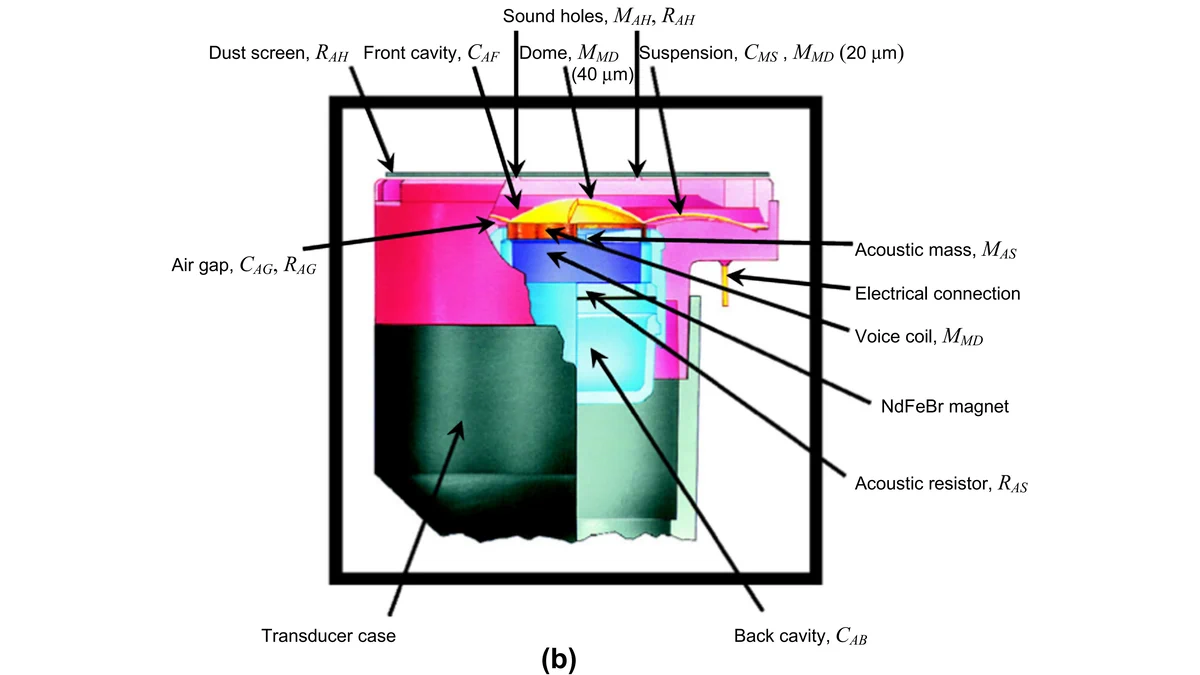
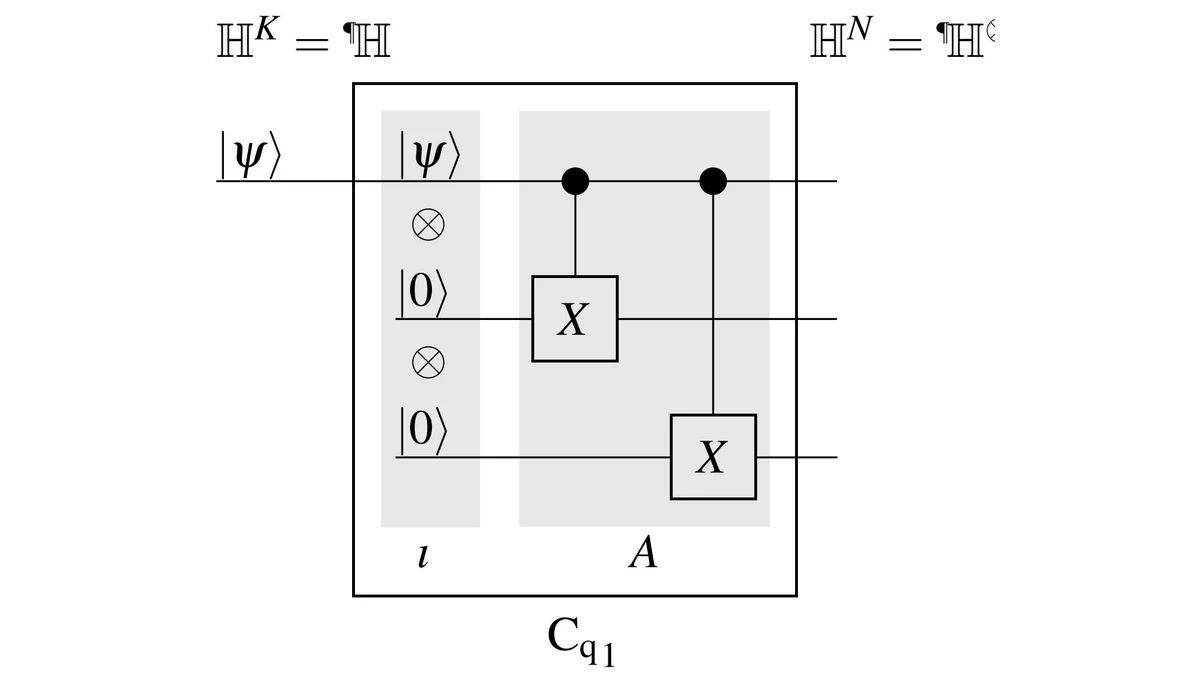
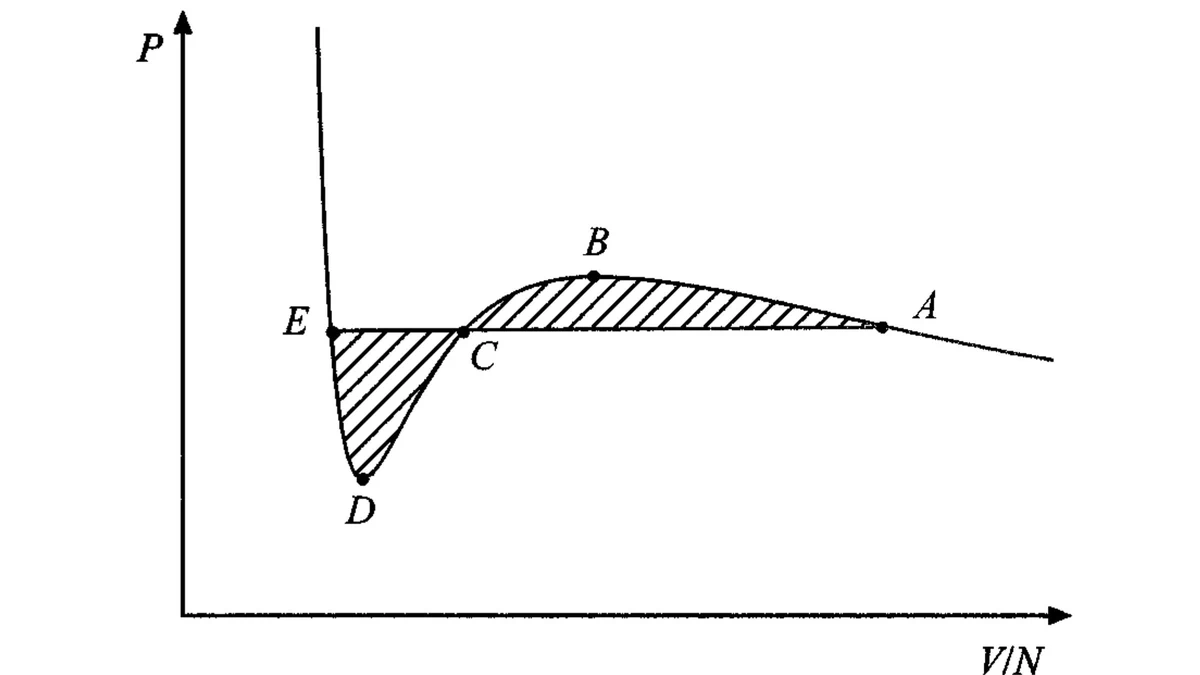
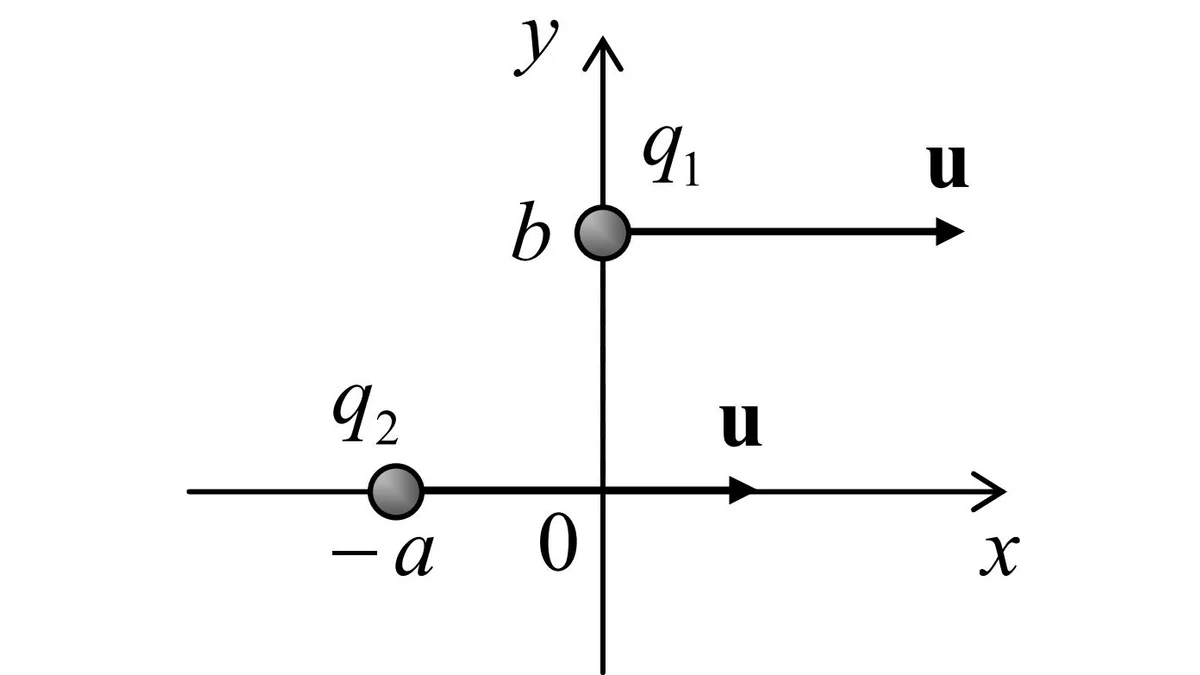
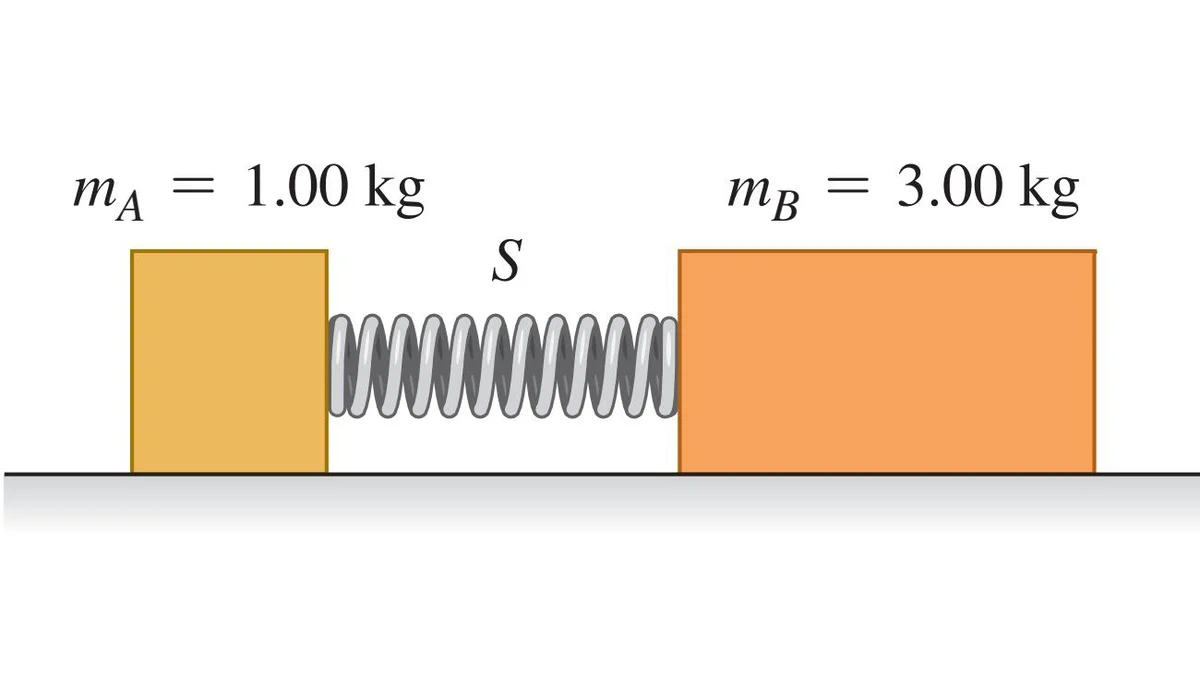
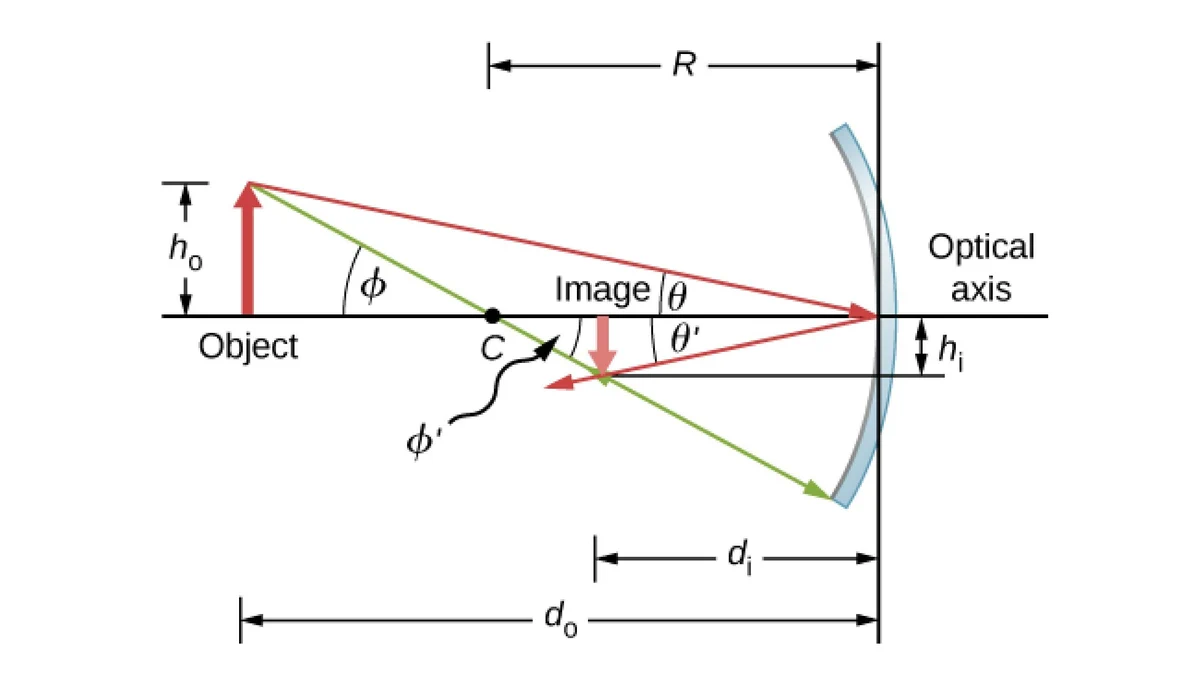
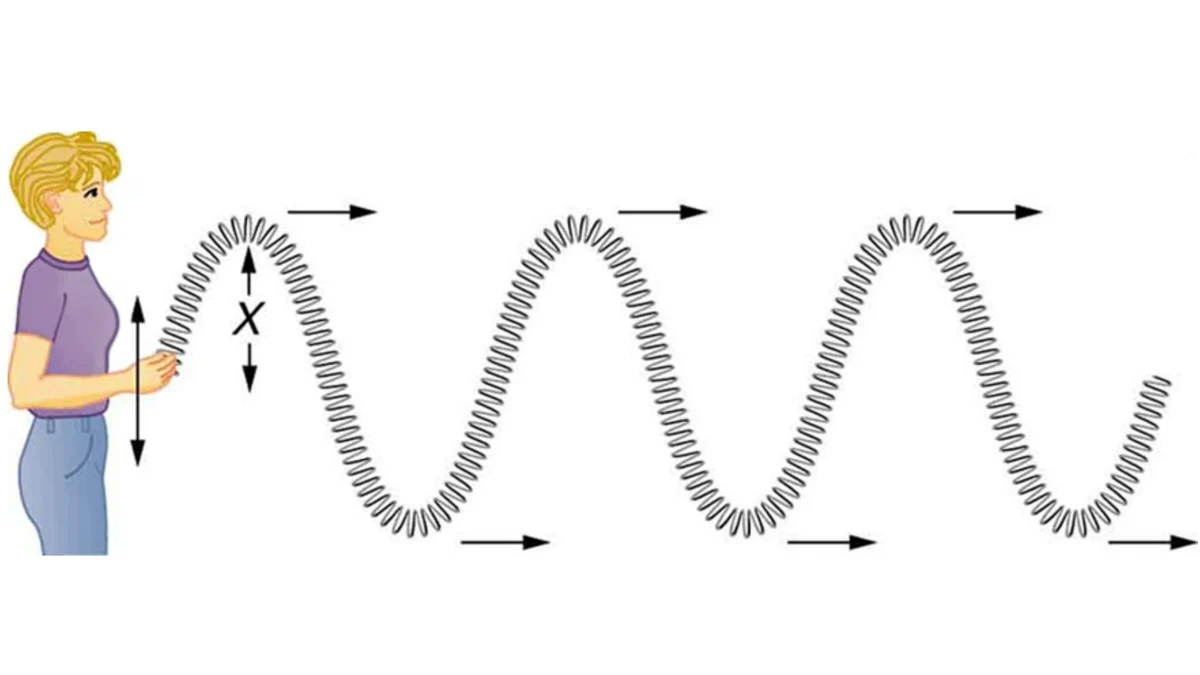
Physics-faithful scientific diagram generation

Princigram

Towards Physics-Faithful Generation of Scientific Diagrams

Minghui Zhang1,2,♠, Jinxin Shi1,♠, Yifan Chang1, Liangliang Zhao1, Yuandong Pu1, Qian Yu1, Ming Hu1, Hanxiao Zhang2, Yun Gu2, Yirong Chen1, Yu Qiao1, Bo Zhang1, Xiangchao Yan1,✉, Bin Fu1,✉,♣, Yihao Liu1,✉,♣

♠ Co-first authors  ·  ✉ Corresponding authors  ·  ♣ Project leaders

1 Shanghai Artificial Intelligence Laboratory, Shanghai, China 2 Shanghai Jiao Tong University, Shanghai, China

4.31M
physics images with structured annotations
115K
expert-verified image–annotation pairs
6
physics subdisciplines
1,283
benchmark items

01 · Motivation

Plausible is not the same as physically correct.

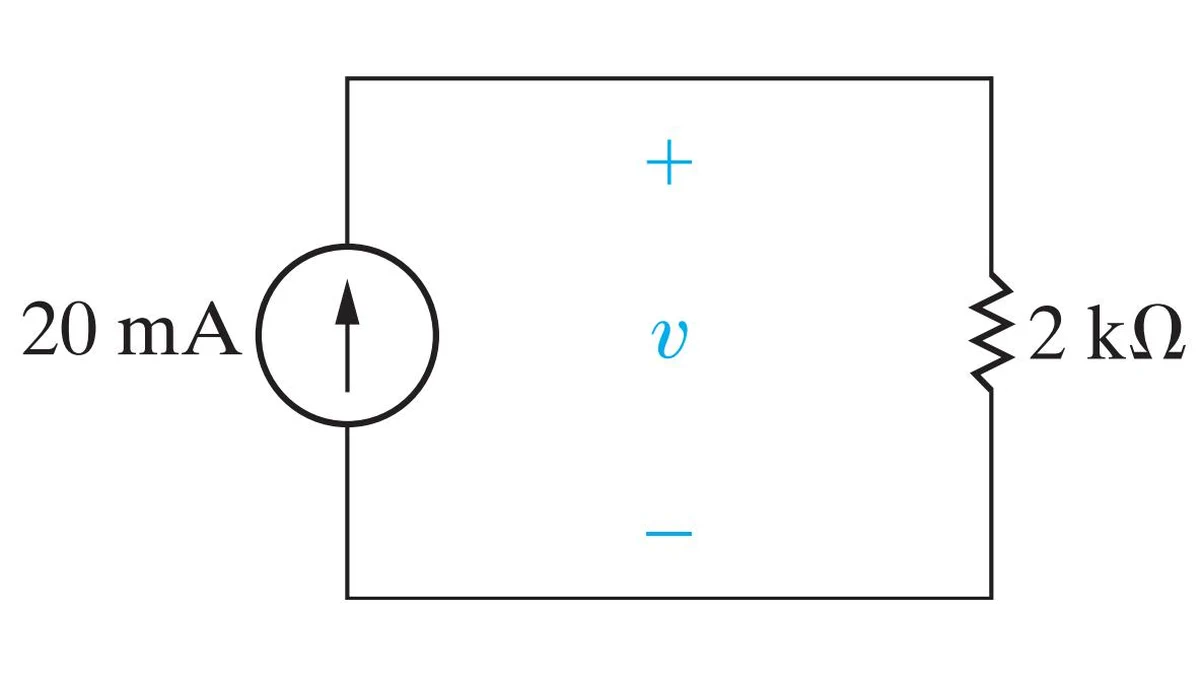
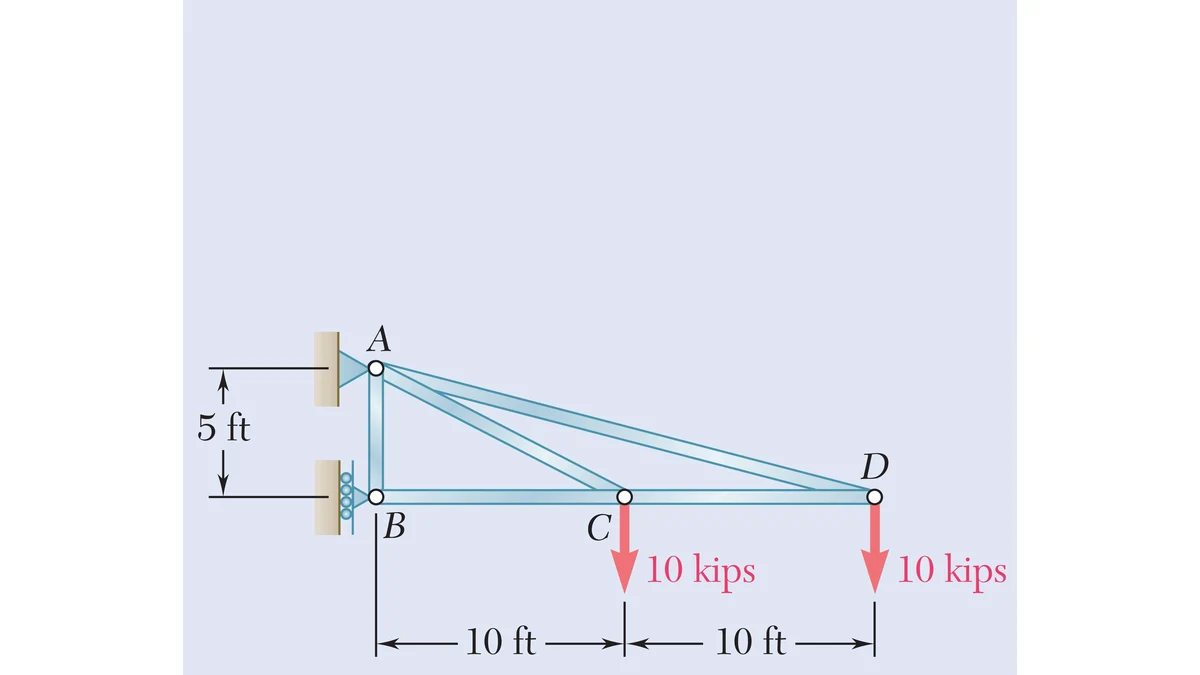
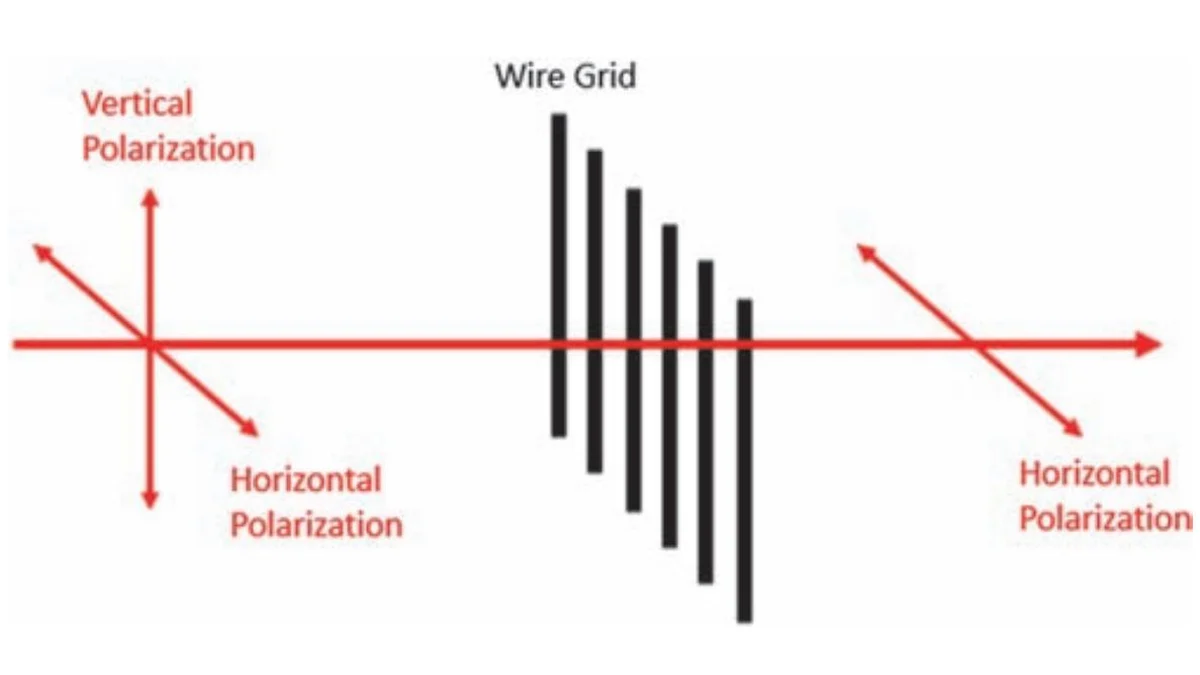
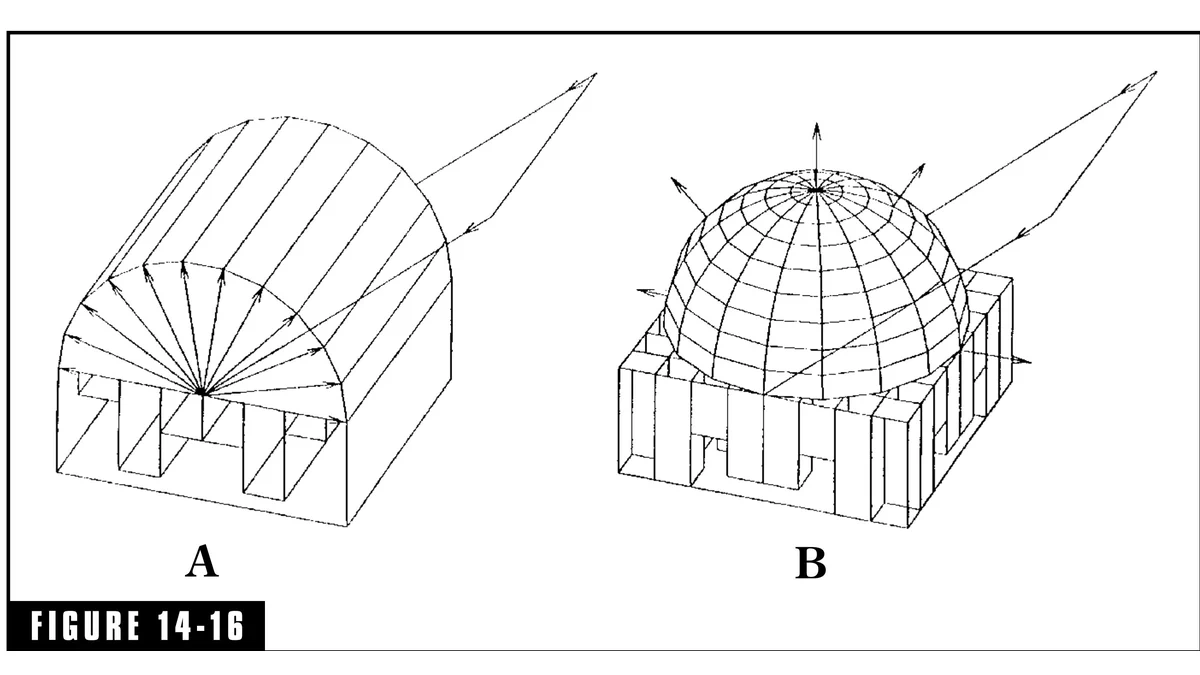
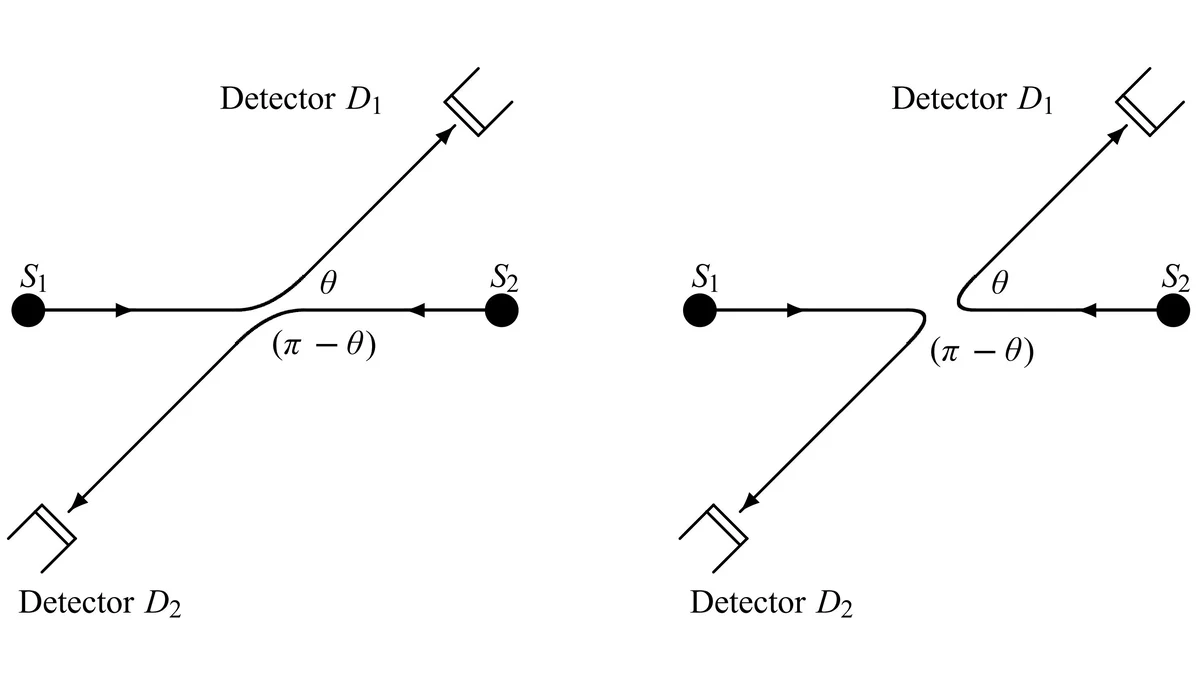
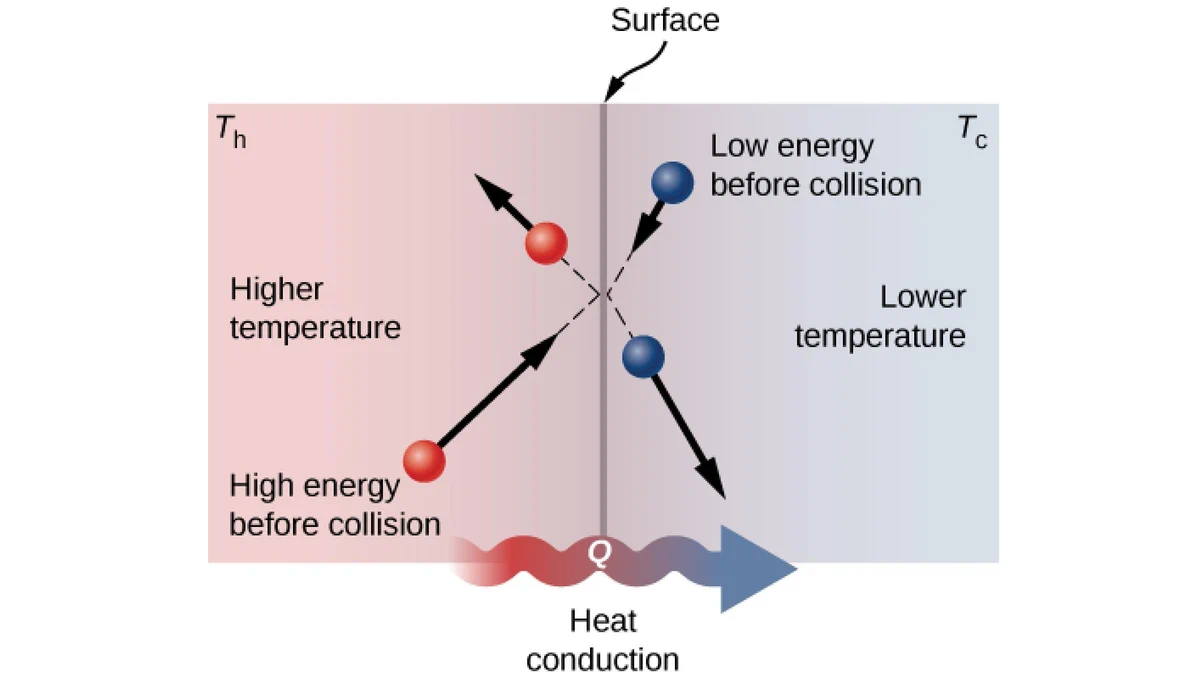
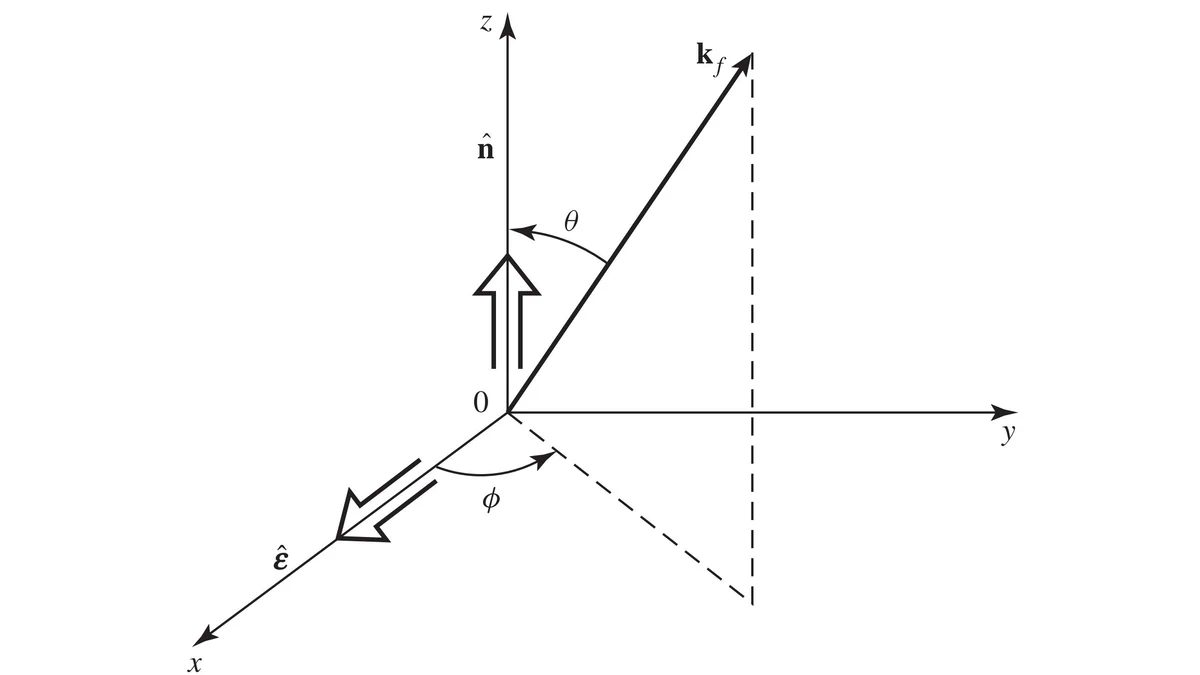
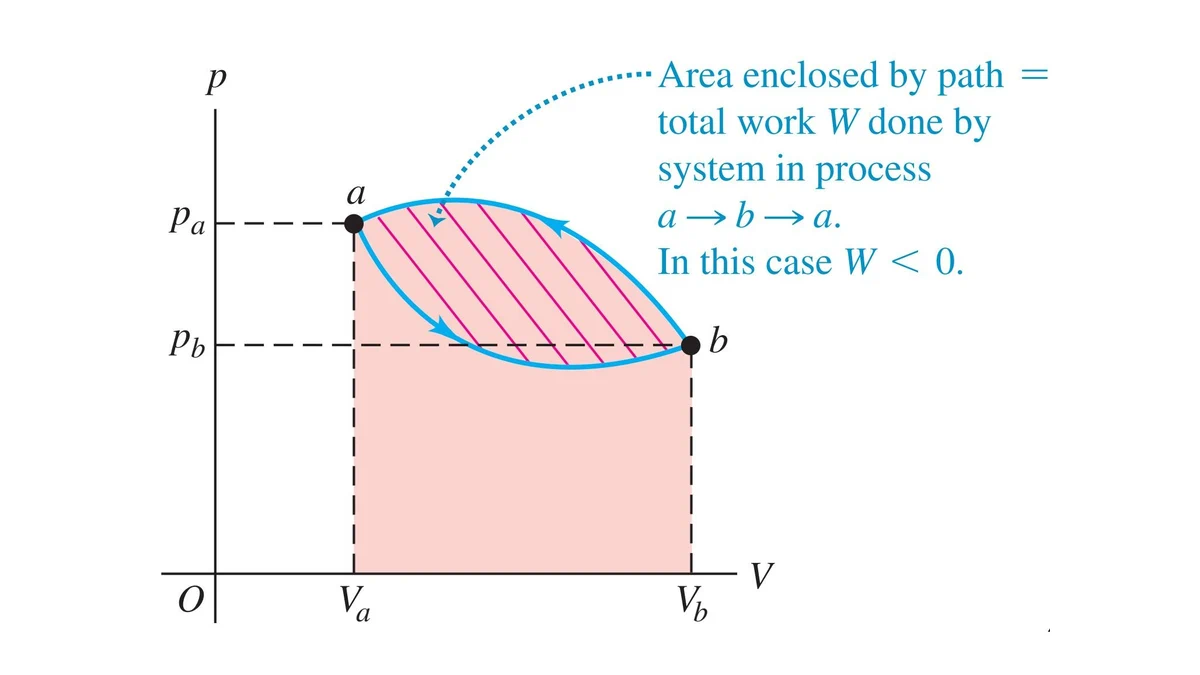
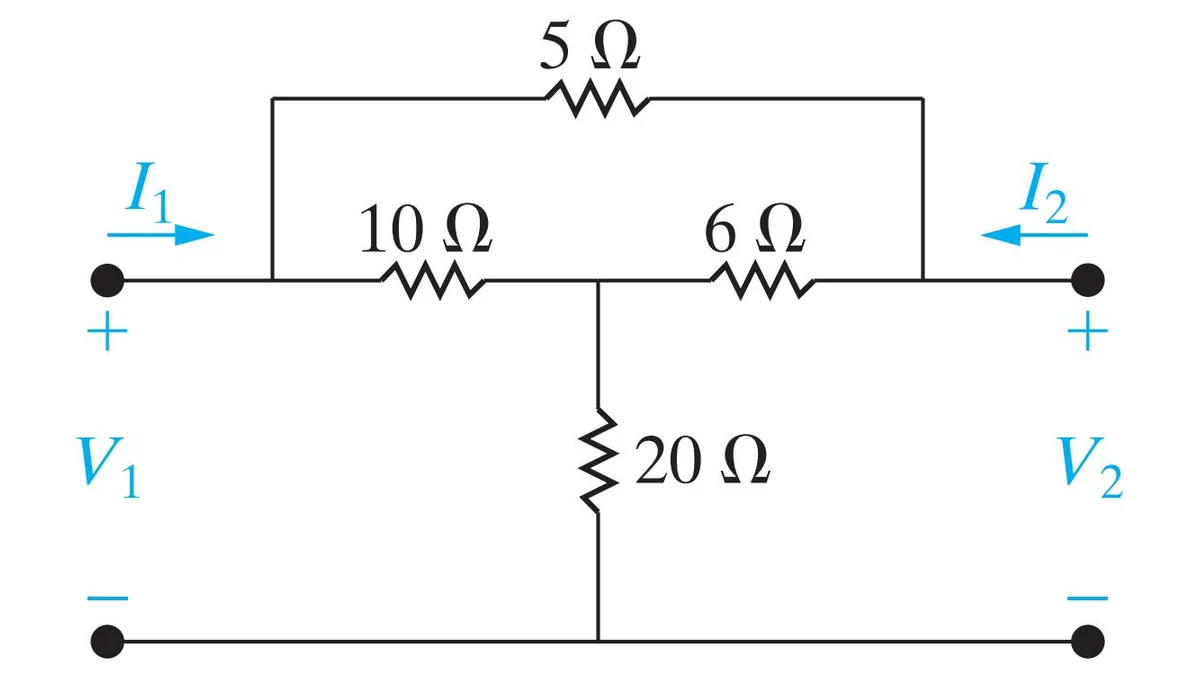
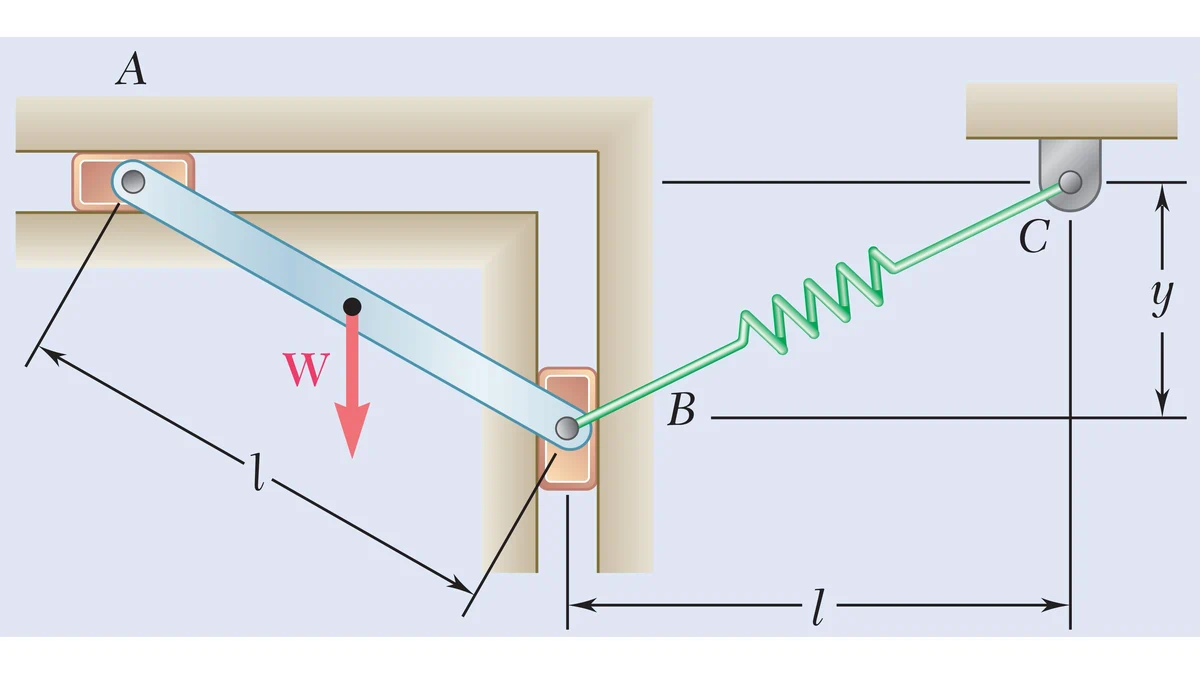
Generic text-to-image systems can draw polished scientific figures while reversing a force, breaking a circuit topology, bending a ray in the wrong direction, or pairing an equation with the wrong physical state. In education and scientific communication, these are not cosmetic errors—they are misinformation.

A

Generation failures

Small visual mistakes can violate the underlying physics even when the figure appears convincing.

B

Understanding–generation gap

A multimodal model may describe the correct physics and still fail to render the same relationships.

C

Unreliable generic metrics

A CLIP-style alignment score can prefer a physically incorrect image, while an open-vocabulary detector cannot verify the directions, incidences and orderings that determine correctness.

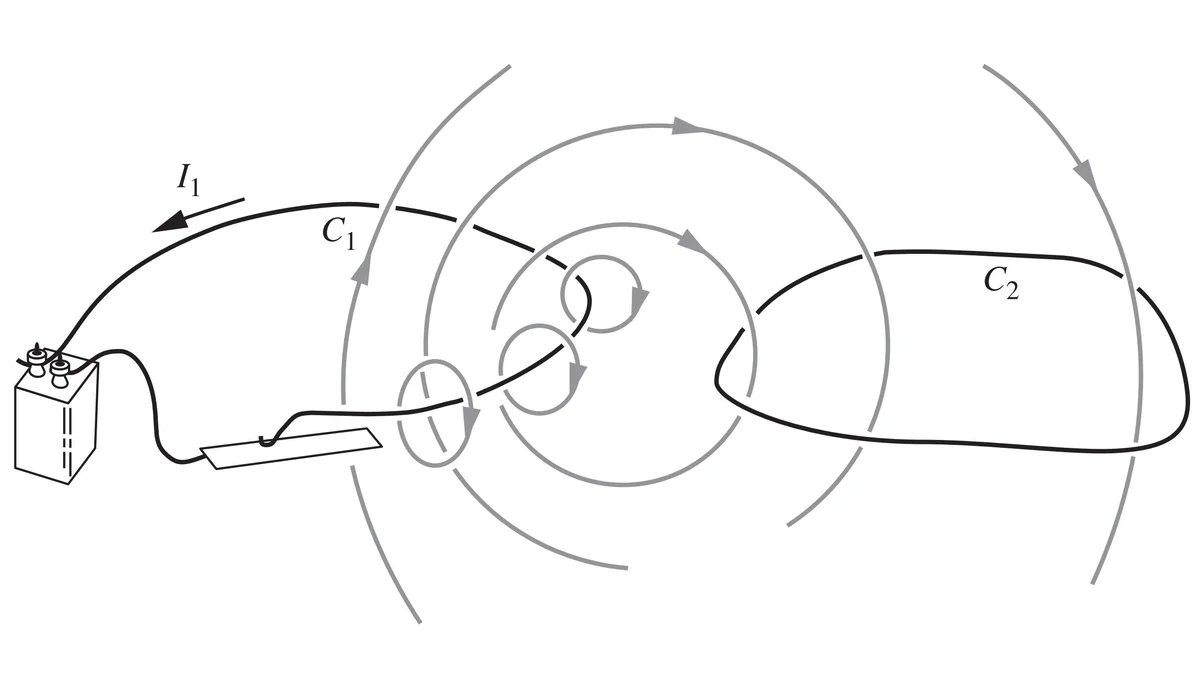
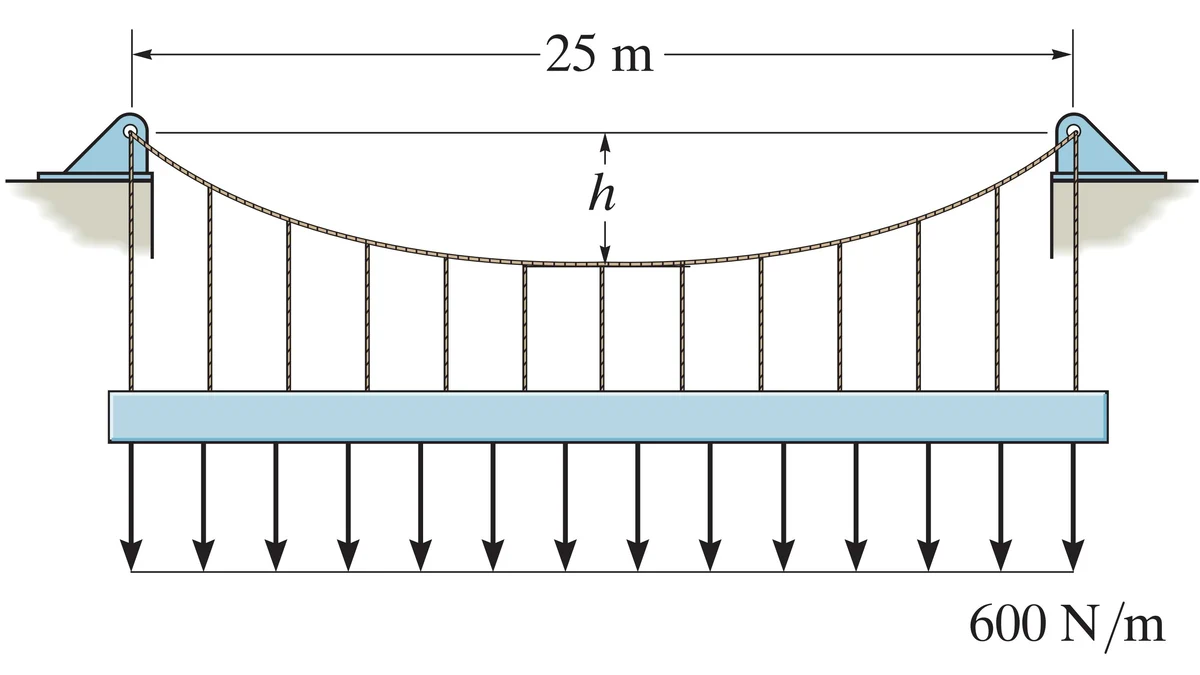
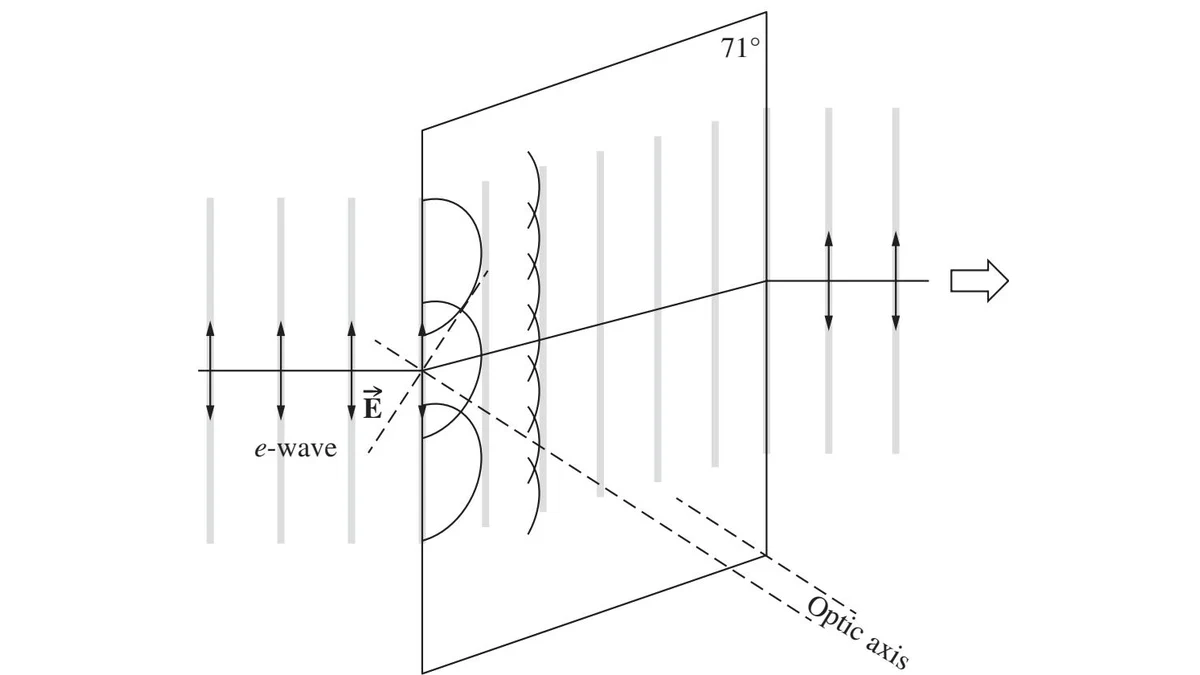
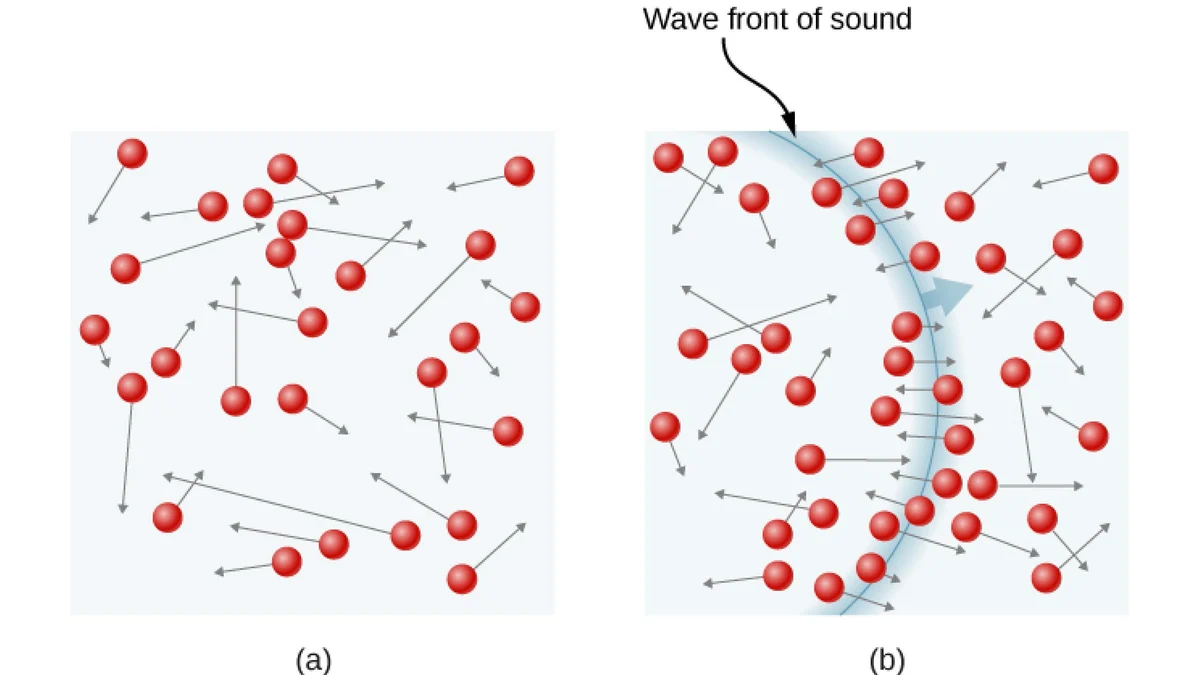
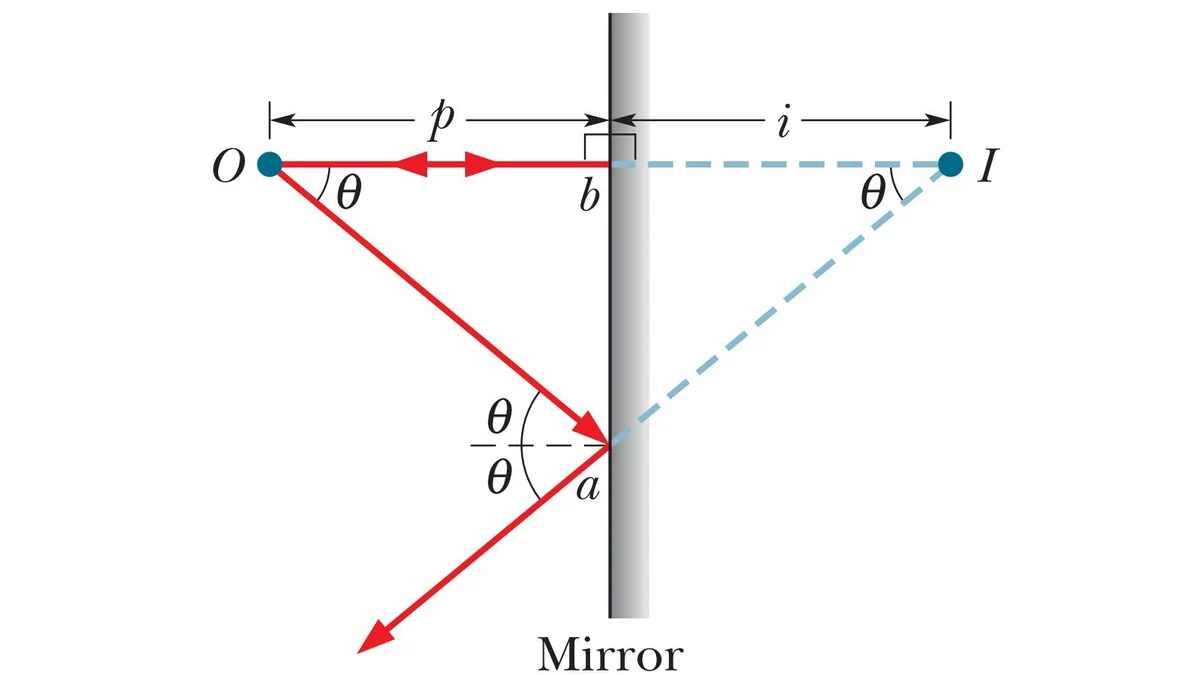
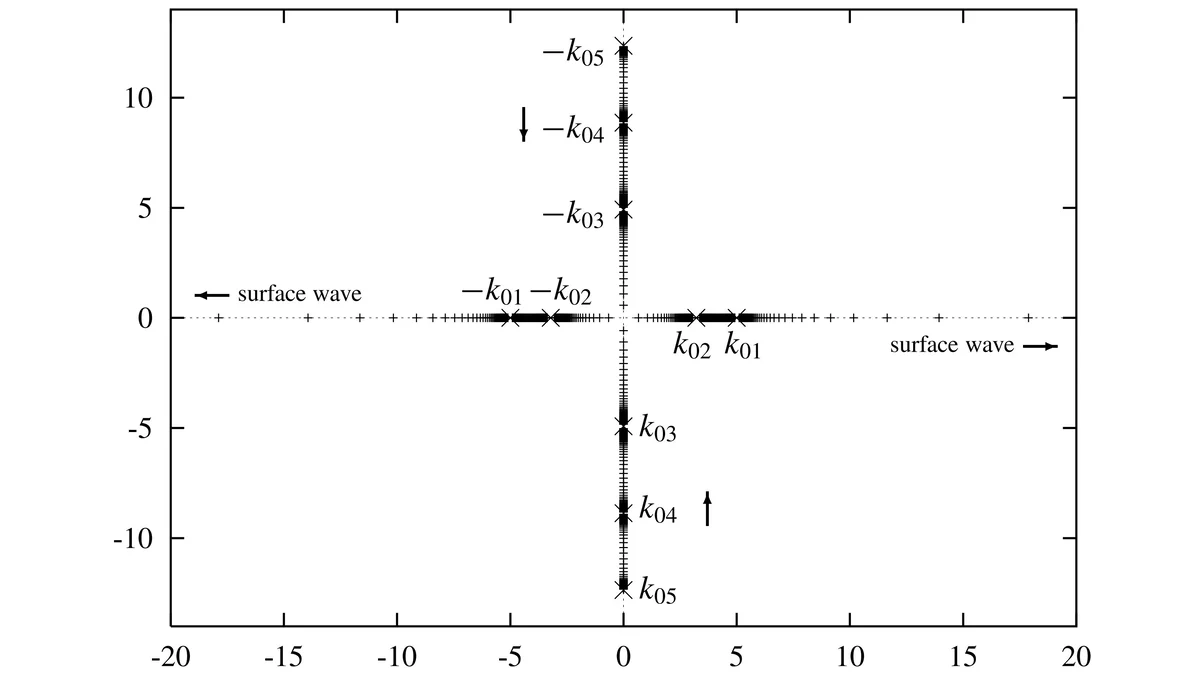
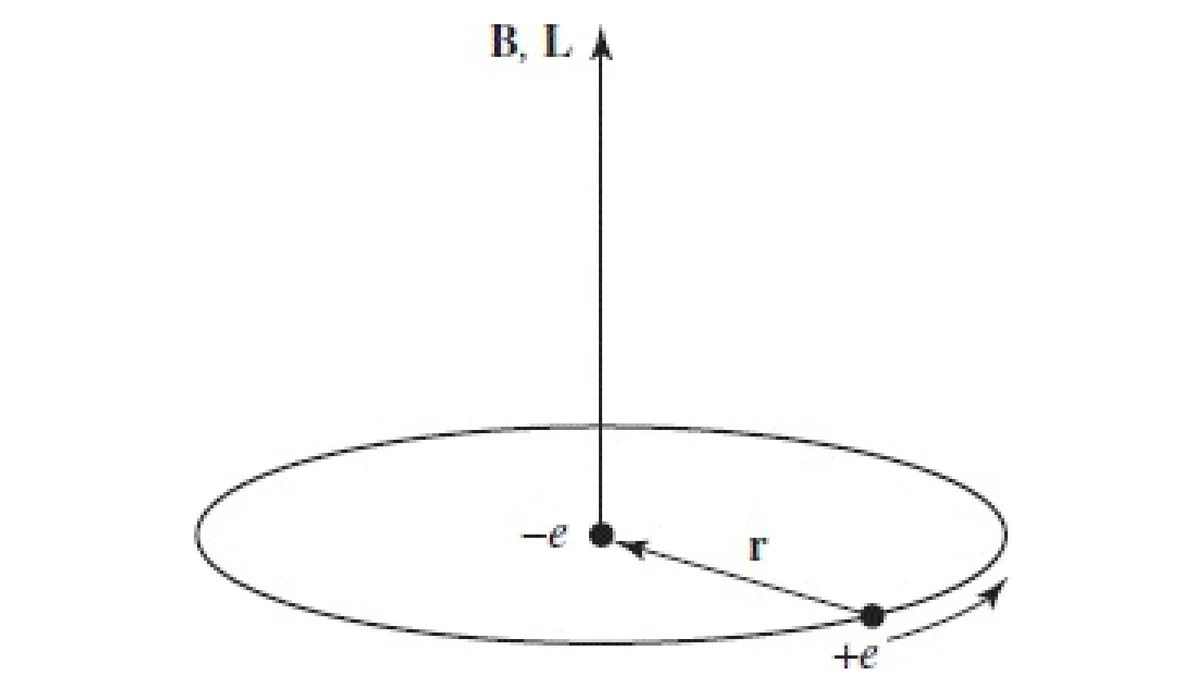
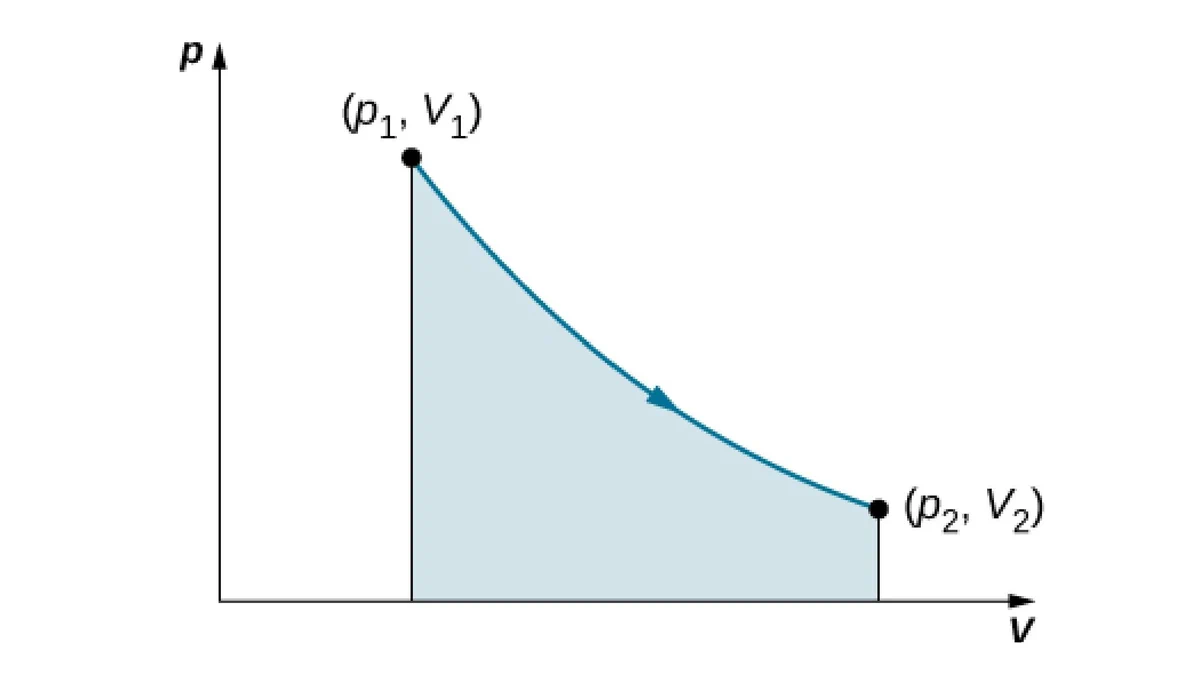
Figure 1. Scientific-diagram generation requires correctness in forces, geometry, topology, state and equations—not only visual similarity.

What we introduce

One structured representation, from data to evaluation.

01

Structured Physical Chain-of-Thought

A fixed, auditable five-step schema replaces flat captions with an explicit reasoning chain constrained by fidelity rules.

02

Large-scale physics corpus

4,313,866 physics images with structured annotations, including 115,037 expert-level image–annotation pairs across six subdisciplines.

03

Princigram generator

Two-stage structured supervision transfers across BAGEL and DiMOO unified multimodal backbones.

04

VeriphyT2IBench

Item-specific binary checks report judge outcomes for named objects, forces, states and their attributes.

Figure 2. Overview of Princigram's data construction, structured supervision, and training–evaluation pipeline.

02 · Method

Structured Physical Chain-of-Thought

SP-CoT makes the physics of a diagram explicit and auditable. It separates visually grounded facts from physically inferred reasoning, requires mathematical content to be typed symbolically in valid LaTeX, and leaves missing information empty instead of guessing.

  1. 01

    Scenario

    Identify the scene, system, phenomenon, objects and constraints.

  2. 02

    Parameters

    Declare states, components, variables and physical parameterization.

  3. 03

    Structure

    Analyze forces, interactions, topology, paths or basis-state structure.

  4. 04

    Laws

    Choose coordinates, conventions, governing principles and equations.

  5. 05

    Synthesis

    Summarize the key physical relationship and idealizing assumptions.

Visible

Grounded in pixels

In each subdiscipline's two designated image-faithful steps, only elements explicitly drawn in the source diagram may be recorded.

Inferred

Derived through physics

Fields in the remaining steps may be inferred only when they can be logically deduced from the drawn elements; otherwise they remain empty.

View how the unified five-step schema is instantiated across six physics subdisciplines
Discipline Scenario Parameters Structure Laws Synthesis
MechanicsObjects, attributes & constraintsMotion state & kinematic variablesForce analysisCoordinate system & Newton's lawsKey relationship & assumptions
ElectromagnetismSubdomain & problem typeComponents, sources & parametersCircuit topology / field distribution & stateConventions & Kirchhoff / Maxwell lawsKey relationship & assumptions
Physical opticsPhenomenon typeComponents & parametersOptical path, path & phase differencePrinciples & condition equationsKey relationship & assumptions
ThermodynamicsSystem definition & problem typeThermodynamic states P, V, TProcess path & energy transferGoverning laws & equationsKey findings & assumptions
AcousticsScene & phenomenonComponents & parametersGeometry & wave analysisConventions, principles & equationsKey relationship & assumptions
Quantum mechanicsFormalism, scenario & degrees of freedomHamiltonian / landscape & parametersBoundary conditions / basis & eigenstatesEvolution & measurement equationsKey phenomena & assumptions

Green cells are constrained to contain only information explicitly visible in the source diagram.

03 · Physics diagram corpus

Scale for breadth. Experts for correctness.

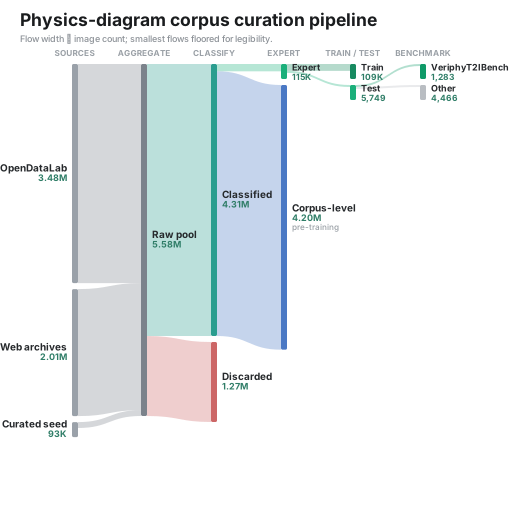
Images from four complementary sources pass de-duplication, resolution, classification and quality filters before being routed to six physics subdisciplines. Every retained image receives a structured annotation; a human-verified expert tier supports supervised fine-tuning and all evaluation.

Data pipeline from a 5.58 million image raw pool to 4.31 million classified images, expert annotation, train and test sets, and VeriphyT2IBench
Data curation and expert split pipeline.
4,313,866full corpus with structured annotations
115,037expert-verified total
109,288expert-tier training pairs
5,749held-out expert-tier pairs

Final paper counts

Corpus and benchmark composition

Images per physics subdiscipline

SubdisciplineStructuredExpert totalTrainTestBenchmark
Mechanics1,938,64927,58326,2041,379300
Electromagnetism240,02541,92739,8312,096173
Physical optics48,2828,4197,999420168
Thermodynamics346,9049,0268,575451163
Acoustics641,4776,4896,165324320
Quantum mechanics1,098,52921,59320,5141,079159
Total4,313,866115,037109,2885,7491,283

04 · VeriphyT2IBench

From one opaque score to named physical facts.

Each of the 1,283 benchmark diagrams yields two binary question banks: a rule-generated local bank covering objects, forces, states and their attributes, and a small model-generated global bank about the whole diagram. The GPT-4o judge sees only the generated image and questions—not the gold answers—so Local scores decompose into named physical facts.

Local

Per-attribute accuracy

Rule-generated checks enumerate the individual physical facts represented in each item.

Global

Whole-diagram accuracy

A small model-generated bank of whole-diagram questions probes overall physical faithfulness.

Strict

Item-level pass rate

An item passes only when the wrong-answer fraction on its local bank stays within a 0%, 5% or 10% tolerance.

Structured evaluation examples. The checklist exposes which named physical checks the judge marks correct or incorrect rather than returning one opaque score.

05 · Results

Structured supervision improves physical faithfulness.

The gains transfer across two unified multimodal backbones with different mechanisms and scales. The paper finds that the dominant variable is what the model is trained on, not its size or which unified formulation it uses.

75.69Veriphy LocalPrincigram-BAGEL
82.54Veriphy GlobalPrincigram-BAGEL
54.8GenExam relaxedBAGEL → Princigram-BAGEL: 13.8 → 54.8
+29.31Local improvementsame BAGEL backbone architecture
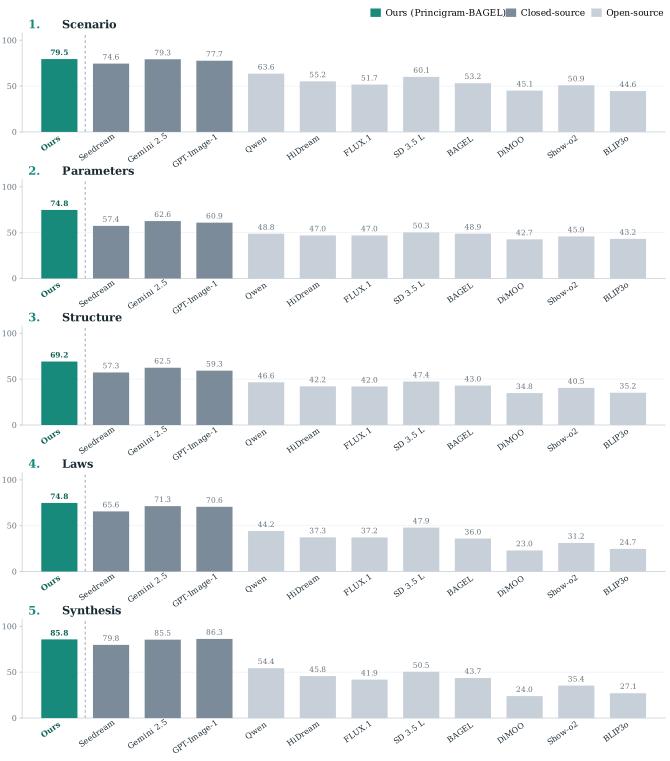
Per-step faithfulness comparison across Scenario, Parameters, Structure, Laws and Synthesis
Princigram-BAGEL is strongest on four SP-CoT steps and within 0.5 points on Synthesis.

VeriphyT2IBench

Improvement without changing the backbone architecture

BAGEL46.38Local
Princigram-BAGEL75.69Local
DiMOO37.01Local
Princigram-DiMOO72.05Local
  • Princigram-BAGEL has the best Global score in all six subdisciplines.
  • Princigram-BAGEL has the best Local score in five of six subdisciplines.
  • Leads the best closed baseline in each metric by 5.71 Local and 13.98 Global points overall.
  • Its margin widens on harder prompts in several subdisciplines; optics remains the stated exception.

Selected models

Main benchmark comparison

Overall scores (%)

ModelVeriphy LocalVeriphy GlobalGenExam Relaxed
Gemini 2.5 Flash Image69.9866.14Not reported
GPT-Image-168.3268.56Not reported
Seedream 4.064.8065.0749.0
Qwen-Image51.7960.2026.3
BAGEL46.3862.1513.8
Princigram-DiMOO72.0577.2550.4
Princigram-BAGEL75.6982.5454.8

Fully faithful generation remains far from solved. At zero tolerance, every subject–model score is 0.00 except three 0.31 scores in electromagnetism. At 10% tolerance, Princigram-BAGEL leads every subject except optics, and the absolute scores remain low across the board.

06 · Interactive explorer

Inspect the evidence, case by case.

The larger qualitative and checklist viewers are loaded only when selected, keeping the main page lightweight while preserving the interactive supplementary viewers.

Selected viewer

SP-CoT ablation

The same model and pipeline, trained with and without structured physical annotation while everything else is held fixed, render three mechanics prompts.

Open full screen ↗
Loading interactive viewer…

Scope and limitations

A strong step forward, not the final answer.

01

Current scientific scope

The present schemas cover six physics subdisciplines; chemistry, biology and other sciences require dedicated structured templates.

02

Two annotation guarantees

The expert-level subset is verified by human experts. Corpus-level annotations are machine-generated and unverified; fidelity rules constrain them but do not guarantee correctness.

03

Evaluation remains a proxy

Both GenExam and the binary-checklist evaluator rely on a vision–language model to answer checks, so their scores remain proxies for expert judgment.

04

Closed-model reference

The strongest closed models still set the reference in some settings, while absolute GenExam physics scores remain low across the field.

Citation

Build diagrams from principles.

If this work supports your research, please cite the arXiv preprint.

Suggested BibTeX · arXiv preprint
@misc{zhang2026towards,
  title         = {Towards Physics-Faithful Generation of Scientific Diagrams},
  author        = {Zhang, Minghui and Shi, Jinxin and Chang, Yifan and
                   Zhao, Liangliang and Pu, Yuandong and Yu, Qian and
                   Hu, Ming and Zhang, Hanxiao and Gu, Yun and Chen, Yirong and
                   Qiao, Yu and Zhang, Bo and Yan, Xiangchao and Fu, Bin and Liu, Yihao},
  year          = {2026},
  eprint        = {2608.13112},
  archivePrefix = {arXiv},
  primaryClass  = {cs.CV},
  url           = {https://arxiv.org/abs/2608.13112}
}